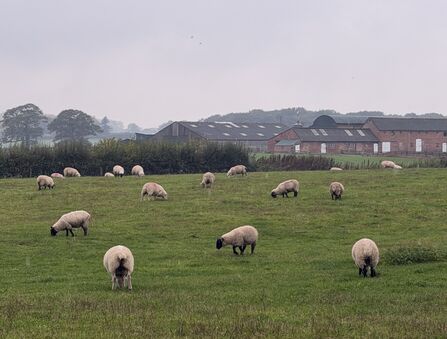
Starting conversations about farming and nature in Shropshire

Starting conversations about farming and nature in Shropshire

Understanding the relationship between farming and nature means looking beyond what we see in the fields.

Starting conversations about farming and nature in Shropshire means looking at the decisions farmers make every day. It means discussing the challenges and opportunities that come with managing land for both food production and wildlife. 

We recently visited local farmer and Shropshire Wildlife Trust trustee Rory Lay to hear more about his approach to farming, his experiences of working alongside nature and why he believes there's so much value in getting people out onto farms and talking about agriculture.
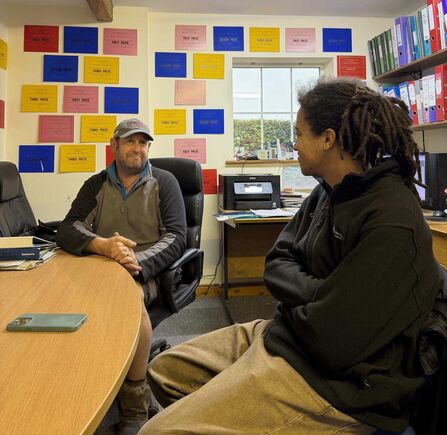
Rory, with his father, runs a mixed farm in Shropshire, combining arable farming with beef and sheep. It's a system that brings different elements of the farm together, with livestock, crops and soil management all playing their part.

As he explained during our conversation, farmers need to make a living, and any additional environmental work has to fit around the practical and financial realities of running a business. That's an important part of the conversation.

We shouldn't assume that every farm has the same opportunities, resources, or capacity to introduce environmental measures. 

Understanding those differences is essential if we want to work together to create more space for nature.

Rory with his cows

One of the most interesting parts of Rory's approach is his enthusiasm for understanding what wildlife is actually using the farm. It's one thing to introduce new habitats or change how land is managed, but how do we know whether these changes are making a difference? 

Rory has been working with local naturalists and wildlife specialists to begin building a picture of the species found across his farm. A group of around 15 invertebrate specialists visited to survey different areas, identifying hundreds of species, including 13 different types of bee and a variety of flies and other invertebrates. 

For Rory, having a baseline is particularly important. If we want to understand whether wildlife populations are changing, we need to know what's there in the first place. 

This is where citizen science and community involvement can make a real difference.

Wildlife monitoring doesn't always have to involve specialist equipment or years of scientific training. Working with local naturalists, birdwatchers, volunteers and recording groups can help farmers build a better understanding of the wildlife on their land. 

From counting farmland birds and identifying pollinators to recording hedgehog sightings and surveying hedgerows, there are opportunities for people with different levels of experience to contribute. These records can help establish a picture of local biodiversity, identify changes over time and inform future decisions about habitat management. 

Just as importantly, they can bring people together around a shared interest in the wildlife on their doorstep. 

Don't be afraid to go and ask. Speak to a farmer. Most farmers are open. If you approach them politely and kindly, they are very willing to talk and explain why or what they're doing.
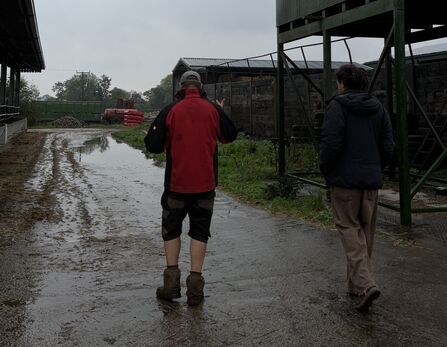
Image of a farmer walking away from camera in a farm courtyard

Rory believes that opening up farms and encouraging people to ask questions is one way to bring new ideas, discussions and debates into the farming sector. Rory has made an effort to welcome visitors, give talks and encourage people to learn more about what happens on his farm. He also sees opportunities to learn from people outside agriculture, particularly those with an interest in wildlife and conservation. It's this exchange of knowledge that matters. 

Sometimes, meaningful change starts with something as simple as saying hello.


Want to hear more from Rory?

Look out for our next Shropshire Wildlife Trust magazine, where you can read the full interview with Rory and find out more about his experiences of farming, wildlife and creating opportunities for nature on the farm.