
The Oswestry Depave project is a community-led initiative working to make the town’s urban environment more water friendly through the use of green infrastructure and nature-based solutions. Delivered by Shropshire Wildlife Trust as part of the Severn Valley Water Management Scheme (SVWMS), and managed by Shropshire Council, Depave focuses on transforming hard, paved surfaces into permeable, greener spaces that allow rainwater to soak into the ground more naturally. By adapting places such as car parks, highway verges, school grounds and public open spaces we are building flood resilience while enhancing biodiversity and the quality of Oswestry’s urban environment.
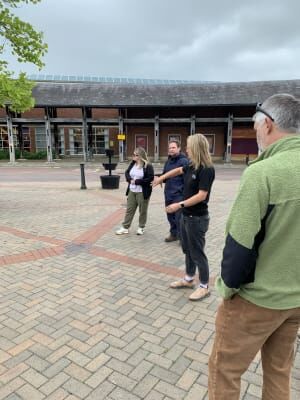
Our first priority was to identify opportunities across Oswestry where sustainable drainage systems (SuDS) would help manage surface water more effectively. By mapping Wetspots around the town we were able to identify the most effective places to target our interventions. This project is innovative by nature, so we are exploring a variety of solutions including rain gardens, tree pits, swales and green roofs. Early delivery has already seen the installation of two new green bus shelter roofs, which capture rainwater, slow its release and provide ecological benefits. We have now turned our attention to Central Car Park and have developed plans for a rain garden designed to reduce surface water runoff and introduce native and pollinator-friendly planting.
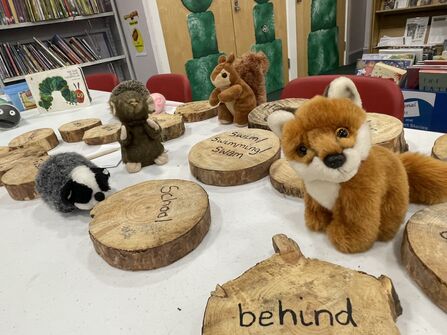
Alongside physical delivery, engaging the community has been central to the project’s progress. We’ve connected with the local residents and community groups through drop-in sessions, events in the town library and casual and formal conversations. We’ve come out of these sessions with valuable suggestions including creating SuDS features that double as play spaces or edible gardens which provide additional benefits to the community. Our experience of this engagement, and feedback from the community further demonstrates how small-scale, local action can play a pivotal role in managing flood risk and improving climate resilience, while empowering people to have a say in how their town develops.
Looking ahead, the Depave project aims to deliver at least two hectares of new or improved habitat in Oswestry and to establish a community group to secure a long-term legacy for the work. The group will support future delivery, enable collaboration with partners and help ensure that the learning from Oswestry can be scaled up and applied elsewhere. Through shared evidence, community involvement and practical demonstration, Depave is contributing to the wider ambitions of the SVWMS — supporting thriving communities and creating more resilient, water-friendly places for the future.